

types of wives : ค้นหาหนังสือธรรมะ หน้า 2 / 8
หน้าหนังสือทั้งหมด
18
The Importance of Sacrifice in Family Dynamics
4) Sacrifice or カgа is the means to correct the problem of selfishness.
Charity means sacrifice.
There are 3 types:
1) Sacrifice of material objects
2) Sacrifice of comfort
3) Sacrifice of negative
This text discusses the significance of sacrifice in family relationships, emphasizing that true generosity involves putting family needs above personal desires. It outlines three types of sacrifice:
14
Exploring the Essence of Dhammakaya Meditation
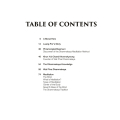
TABLE OF CONTENTS
6 A Moral Hero
14 Luang Por’s Story
36 Phramongkolthepmuni
Discoverer of the Dhammakaya Meditation Method
46 Khun Yai Chand Khonnokyoong
Founder of Wat Phra Dhammakay
This text provides an overview of the Dhammakaya meditation method, highlighting significant figures such as Luang Por and Khun Yai Chand Khonnokyoong. It elaborates on various aspects of meditation,
13
Understanding Meditation and Merit
Suzanne Jeffrey
never been a groupie to anyone so I am not exactly sure what I am supposed to do with that.
After he congratulates Joy on her birthday and speaks with her about her university studie
This passage features a conversation about meditation and the concept of Boon as explained by Luang Por. He emphasizes that meditation involves quieting the mind to facilitate learning and understandi
16
Understanding Boon and Generosity in Buddhism
be a sleeper!” He looks at me and almost winks. “We need to make boon continuously because, although we are born with boon, we don’t know how much we have when we are born. So we must continually make
In this enlightening dialogue, the necessity of creating 'boon' (goodness) continuously is discussed, emphasizing the intentional practices one must engage in to enhance their spiritual well-being. It
37
The First Monk Ordained by the Buddha: Kondanna
The first monk ordained by the Buddha personally, was Kondanna. He was the first of Lord Buddha's disciples, and Buddhism's first monk. He was ordained following Lord Buddha's first Sermon entitled th
The first monk ordained by the Buddha, Kondanna, was the first disciple who became a Stream-enterer after the Buddha's first sermon in Isipatana. This sermon allowed him to see the Dhamma. The Buddha
73
Dhamma Vinaya: Understanding the Wisdom of the Pali Canon
Dhamma Vinaya means, the wisdom and instruction contained in the Pali Canon of which there are two types.
1. One is the rules and code of conduct, Vinaya, which must be strictly refrained from, or el
Dhamma Vinaya encompasses the wisdom of the Pali Canon, highlighting two types: Vinaya, which entails strict rules of conduct for monks, and Dhamma, teaching beneficial practices that are not compulso
92
Meditation for Beginners
Meditation for Beginners
For those who are interested in meditation for relaxation, consciousness and mindfulness. The following below are searched from www.dhammakaya.or.th.
Meditation is something
Meditation is a practice we engage in daily, aiding our focus but often remains superficial. External distractions can quickly divert our attention, leading to a wandering mind, which is the root of v
30
The Essential Role of Teachers in Education
knowledge or science in a way that encourages absorption while correctly and
clearly conveying the subject matter to the pupil.
To be skilled in the art of teaching, teachers must not only deliver the
Teachers play a crucial role in shaping students by blending academic knowledge with moral guidance. A clear understanding of their responsibilities can empower teachers to produce not only intelligen
45
The Importance of Moral Education in Teaching
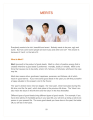
Only with moral education can human beings eliminate conflicts, selfish and greedy tendencies and practices so that man may truly coexist with mindful and peaceful consideration for each other. This s
This text emphasizes the necessity of moral education to eliminate selfish and greedy tendencies, enabling peaceful coexistence. It discusses the role of various types of teachers—parents, school teac
93
Understanding Merit and Its Impact on Life
MERITS
Everybody wants to be rich, beautiful and smart. Nobody wants to be poor, ugly and dumb. But how come some people are born lucky and other are not? The answer is because of ‘merit’, or the lac
Merit is the product of good deeds and serves as a positive energy that can lead to being rich, beautiful, and smart. It encompasses virtue and goodness, influencing one's present and future based on
94
Understanding Merit and Demerit: The Law of Karma
The opposite of merit is demerit, or ‘sin’. Demerit is the product of bad deeds. Bad deeds cause ‘bad karma’. Demerit is a negative energy that is created when a bad deed is performed: mentally, bodil
The opposite of merit is demerit, representing the consequences of bad deeds which cause negative karma. Both good and bad deeds are governed by the Law of Karma, where actions determine outcomes in t
99
Types of Generosity: Understanding Charitable Giving
GENROSITY
Types of generosity (Danavatthusutta)
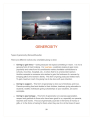
There are different motives why charitable giving is done:
• Giving to gain favor – Giving because we expect something in return. It is not a genuine
This text discusses various motives for charitable giving as outlined in the Danavatthusutta. It identifies three main types of generosity: giving to gain favor, which is insincere and often seeks som
90
Celestial Castles in the Celestial Realm
There are three main types of celestial castles in this celestial realm: crystal (diamond), silver, and gold. They are arranged around King Saanutisa's castle in a beautiful and orderly fashion. They
This text describes the arrangement and features of celestial castles in the Celestial Realm, centered around King Saanutisa's castle. Castles are of three types - crystal, silver, and gold - arranged
137
Understanding the Bodies of Enlightenment
ment, the Arahatta Body of Enlightenment [Dhammakāya Arahat] and the Subtle Arahatta Body of Enlightenment.
Thus there are ten types of Bodies of Enlightenment.
The Benefits of Attaining the Inner Bod
This content discusses the ten types of Bodies of Enlightenment, including the Arahatta Body and Subtle Arahatta Body, emphasizing the benefits of attaining inner bodies for personal growth. Meditator
153
Understanding Right View and Right Intention in Buddhism
[Image contains text and a circular symbol at the top]
4. The view that this world lacks reality or doesn’t exist;
5. The view that the afterworld lacks reality or doesn’t exist;
6. The view that
This text examines the principles of Right View and Right Intention in Buddhism. It highlights the dangers of False Views, such as denying the reality of this world or the afterlife, and emphasizes th
165
Understanding Right Livelihood and Wrong Trade
hardly be able to find anyone to praise them;
4. They will spend forthcoming lifetimes in hell.
Having heard the Buddha’s teaching, Khema attained
stream-entry, never committing adultery again
This ex
In Buddhist teachings, Right Livelihood refers to earning a living that upholds ethical values and avoids harmful practices. It specifically highlights five types of Wrong Trade which are prohibited:
177
The Enlightenment of the Buddha’s First Disciple
The Enlightenment of the Buddha’s First Disciple
In preaching the Dhammackakapavattana Sutta, the Buddha revealed the Thirty-Seven Factors of Enlightenment [bodhipakkhiyadhamma], the Cycle of Depende
The Buddha, in the Dhammackakapavattana Sutta, introduced the Thirty-Seven Factors of Enlightenment, laying down the framework of the Four Noble Truths and the Cycle of Dependent Origination. Dhammaca
201
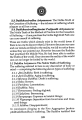
The Noble Truths of Suffering and Cessation
3.3 Dukkhanirodha Aryasacca: The Noble Truth of the Cessation of Suffering—the sickness of suffering which plagues us all has a cure;
3.4 Dukkanirodhagāminī Paṭipadā Aryasacca: The Noble Truth of the
The Noble Truths articulate the nature of suffering and its cessation. Dukkha encompasses various types of suffering including birth, aging, and death, as well as emotional pains like sorrow and disap
41
Untitled
Universal Goodness : 39
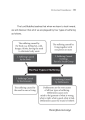
The Lord Buddha teaches that when we learn to look inward, we will discover that all of us are plagued by four types of suffering as follows.
The suffering caused by the body
No content provided to summarize.

70
การฝึกสมาธิที่วัดพระธรรมกาย
Although there were Forty Types
of Meditation identified by Buddhagho-
sa in the Ancient Buddhist Medita-
tion manual "the Path of Purity," Ven.
Mongala Devamuni (Late Abbot of
Wat Paknam Bhasi Chareo
Although there were Forty Types of Meditation identified by Buddhagho- sa in the Ancient Buddhist Medita- tion manual "the Path of Purity," Ven. Mongala Devamuni (Late Abbot of Wat Paknam Bhasi Chareo